When your business depends on vehicles, every unexpected breakdown creates more than a repair bill. It can delay a job, disappoint a customer, interrupt a delivery, and leave an employee waiting on the side of the road.
At GP Automotive, we understand that your fleet is not just a group of vehicles. It is part of how your business serves customers, meets deadlines, and earns revenue.
That is why our approach to fleet maintenance is built around one goal: keeping your vehicles dependable, your costs more predictable, and your business moving forward.
One Broken Vehicle Can Disrupt the Entire Day
Fleet problems rarely happen at a convenient time.
A transmission may begin slipping during a busy week. A warning light may appear when a driver is already behind schedule. A small fluid leak can go unnoticed until it becomes a much larger repair.
Even routine maintenance can be forgotten when your team is focused on customers, jobs, deliveries, and daily operations.
Without a clear maintenance plan, businesses often find themselves reacting to problems instead of preventing them. That can lead to:
Unexpected vehicle downtime
Delayed jobs and missed appointments
Higher emergency repair expenses
Lost productivity
Shortened vehicle life
Unplanned replacement costs
Ford Pro’s fleet guidance explains that vehicle downtime can affect budgets and profits through lost productivity.
Your Fleet Needs a Mechanic You Can Trust
You should not have to guess whether your vehicles are ready for the road.
GP Automotive provides fleet maintenance, transmission diagnostics, general service, and mechanical repair for businesses that need reliable vehicles and honest answers.
We take the time to understand how your vehicles are used, identify developing problems, and recommend the appropriate maintenance or repair based on each vehicle’s condition.
Our goal is not to sell your business services it does not need. Our goal is to give you accurate information so you can make a confident decision before a manageable issue becomes an expensive repair or replacement.
Prevent Expensive Repairs Before They Start
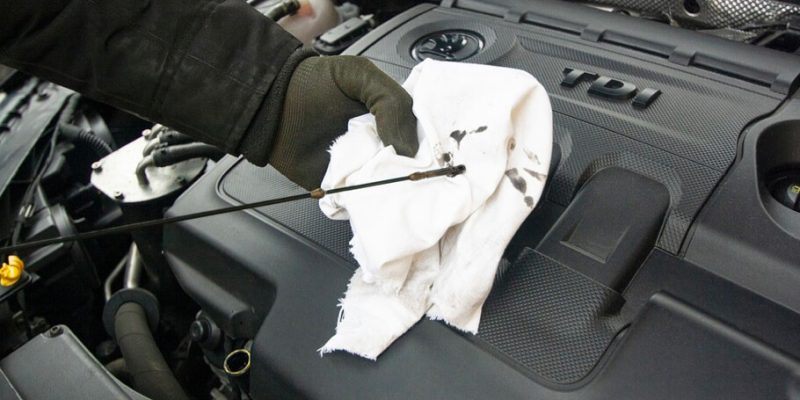
Routine maintenance gives your mechanic an opportunity to catch smaller problems before they cause additional damage.
A worn belt, low fluid level, weak battery, leaking seal, or developing brake problem may be relatively manageable when discovered early. Left unresolved, that same issue could create a safety concern, damage other components, or take the vehicle out of service.
The nonprofit Car Care Council provides general service-interval guidance and identifies the major vehicle systems that require regular maintenance.
Depending on your vehicles and how they are used, fleet maintenance may include:
- Oil and filter service
- Fluid inspections and replacement
- Brake inspections and service
- Battery and charging-system testing
- Cooling-system maintenance
- Belt and hose inspections
- Suspension and steering inspections
- Drivetrain inspections
- Transmission service and diagnostics
- General mechanical repair
Regular service such as oil changes, battery checks, tune-ups, and tire maintenance can help reduce the likelihood of preventable breakdowns, according to the National Highway Traffic Safety Administration.
A consistent maintenance schedule can help your vehicles operate more reliably while giving your business greater control over when service is performed and how repair expenses are handled.
Stay Ahead of Developing Vehicle Problems
Your drivers may be the first people to notice when something does not feel right.
A new vibration, unusual sound, warning light, fluid leak, change in braking, or difference in shifting can be an early sign of a developing problem. Encouraging drivers to report these symptoms quickly gives your mechanic an opportunity to investigate them before they become more serious.
Modern vehicle-health systems also demonstrate the value of identifying problems early. GM Fleet’s OnStar Vehicle Insights uses maintenance alerts and vehicle-health reports to help fleet operators stay ahead of issues and reduce downtime and repair costs.
Your fleet may not use a telematics platform, but the principle remains the same: the sooner a problem is identified, the more options you may have.
Transmission Maintenance Is Especially Important for Fleet Vehicles
Fleet vehicles often work harder than personal vehicles.
Frequent stops, heavy loads, towing, extended idling, high mileage, and demanding work conditions can place additional stress on the transmission and drivetrain.
Potential transmission symptoms may include:
- Delayed or difficult shifting
- Slipping between gears
- Hesitation when accelerating
- Unusual noises
- Transmission-fluid leaks
- Burning odors
- Warning lights
- Changes in vehicle performance
These symptoms should not be ignored.
At GP Automotive, transmission service and repair are among our specialties. We can evaluate the condition of the transmission, investigate the source of the concern, and explain whether the vehicle needs maintenance, repair, or replacement.
Transmission-fluid requirements and service intervals vary by manufacturer, model, powertrain, workload, and operating conditions. The vehicle’s manufacturer-recommended maintenance schedule should always help guide service decisions.
NHTSA’s summer vehicle-preparation guidance includes automatic-transmission or clutch fluid among the important vehicle fluid levels that should be checked.
Addressing a transmission concern early may help prevent additional damage and reduce the likelihood of a larger repair expense.
The Same Trusted Mechanic From Maintenance Through Repair
One of the greatest benefits of working with GP Automotive is continuity.
Your fleet does not have to move from one shop to another every time a problem becomes more complicated. The same trusted automotive team that handles your routine maintenance can also diagnose concerns, complete repairs, and guide you through larger decisions.
When a major repair is required, we already have the benefit of knowing the vehicle, its condition, and the service history available to us.
That allows us to help you understand:
- What failed
- Why it may have failed
- Whether the vehicle can be repaired
- What the repair is expected to involve
- Whether additional problems are present
- How the repair compares with other available options
- Which path may provide the strongest long-term value
Instead of starting over with an unfamiliar mechanic, you have a local team that already understands your fleet and the work previously performed.
When Repair or Replacement Becomes Necessary
Preventive maintenance cannot guarantee that a vehicle will never require a major repair.
Fleet vehicles accumulate mileage, carry loads, experience wear, and eventually reach the point where major components may need to be repaired or replaced.
When that happens, you need more than a repair estimate. You need clear information.
GP Automotive can help you evaluate the vehicle’s condition and understand whether the recommended repair makes sense based on factors such as:
- Mileage
- Overall mechanical condition
- Maintenance history
- Expected future use
- Repair cost
- Additional known concerns
- The vehicle’s importance to your operation
- When transmission repair or replacement is needed, you will be working with the same trusted mechanic who maintained and diagnosed the vehicle.
That consistency reduces guesswork and helps you make a better-informed business decision.
Build a Fleet Maintenance Plan Around Your Operation
A dependable fleet does not happen by accident. It comes from having a plan.
GP Automotive can help you establish a practical maintenance routine based on your vehicles, mileage, workload, operating conditions, and business demands.
Maintenance recommendations may differ for a lightly used company car, a delivery vehicle making frequent stops, and a work truck that regularly carries equipment or tows a trailer.
Your vehicle manufacturer’s recommendations should remain an important part of that plan. The Car Care Council also advises drivers to follow a vehicle service schedule as part of responsible vehicle ownership and maintenance.
Instead of waiting for something to break, your business can schedule routine service around its operations and address developing concerns before they create larger interruptions.
A Simple Fleet Maintenance Process
1. Schedule a Fleet Assessment
Bring your vehicle to GP Automotive for an evaluation of its current condition, maintenance needs, and any concerns reported by the driver.
2. Receive Clear Recommendations
We will explain what should be addressed now, what can be monitored, and what may need attention in the future.
3. Approve the Appropriate Service
You decide how to proceed based on clear information and a dependable estimate.
4. Document the Work
Maintaining service records gives your business a clearer understanding of what has been completed and what may be due next.
5. Keep Your Fleet Moving
Your vehicle returns to service with a better understanding of its condition and upcoming maintenance needs.
Fewer Surprises and Greater Confidence
With GP Automotive fleet maintenance, your business gains a local automotive partner focused on helping you:
- Reduce unexpected breakdowns
- Catch developing problems earlier
- Extend the useful life of your vehicles
- Plan service around your schedule
- Control maintenance and repair costs
- Receive honest, consistent recommendations
- Work with the same trusted mechanic
- Make informed repair and replacement decisions
Proper tire maintenance, including inflation, rotation, balance, and alignment, can also support longer tire life, safety, and operating efficiency. Businesses can review NHTSA’s TireWise maintenance guidance for additional information.
When your fleet is dependable, your team can spend less time reacting to vehicle problems and more time taking care of customers.
Keep Your Business on the Road
Do not wait for a transmission failure or unexpected breakdown to disrupt your operation.
Schedule a fleet assessment or service with GP Automotive and take the first step toward fewer surprises, more predictable maintenance costs, and vehicles your team can depend on.
GP Automotive — A legacy built on precision, driven by family.
It just made sense...