There is something special about fall in Central Illinois. The combines are rolling, the leaves are changing, and the cooler mornings remind us that another Midwest winter is just around the corner.
But while you’re enjoying those last beautiful autumn days, your vehicle may be preparing for a battle you haven’t thought much about yet.
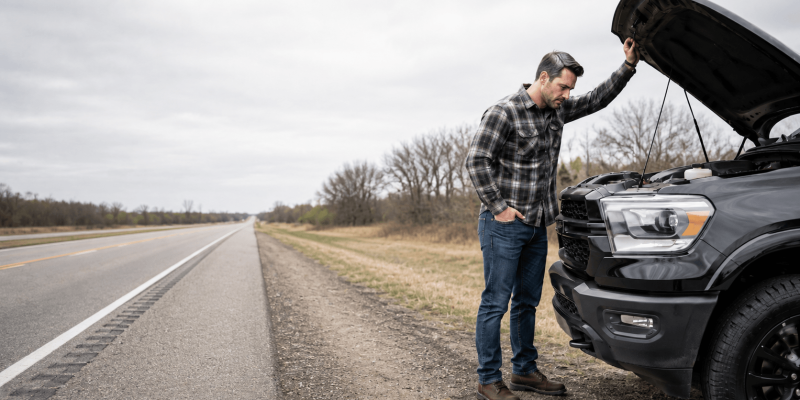
Freezing temperatures. Snow-covered highways. Icy intersections. Road salt. Dead batteries. And that dreaded morning when you turn the key, only to hear a click instead of your engine starting.
At GP Automotive, we believe the best winter repair is often the one you never have to make.
Fall is the perfect time to address those little automotive problems before cold weather turns them into expensive repairs, unexpected breakdowns, or dangerous roadside situations.
Whether you’re driving to work in Mattoon, hauling equipment across Shelby County, taking the kids to school, or traveling Illinois highways for the holidays, your vehicle needs to be ready for whatever Mother Nature delivers.
Here’s how to prepare your vehicle for winter—and why a little attention today can make a big difference when the temperatures start falling.
1. Your Battery: Don’t Wait for the First Freezing Morning
Imagine this familiar Illinois winter morning.
It’s 6:30 a.m. The windshield is covered in frost, the temperature is hovering near zero, and you’re already running late.
- You turn the key.
- Click. Click. Click.
- Nothing.
Cold weather is particularly demanding on automotive batteries. As temperatures fall, a battery’s ability to deliver power decreases, while gasoline and diesel engines require more battery power to start.
The National Highway Traffic Safety Administration (NHTSA) recommends having your battery, charging system, and belts checked before winter weather arrives.
A weak battery might perform adequately throughout the summer, only to fail when the first serious cold snap hits.
What should you do this fall?
Have your battery tested, inspect the terminals for corrosion, and make sure your alternator and charging system are functioning correctly.
AAA also recommends keeping battery terminals clean and addressing corrosion that may interfere with electrical connections.
At GP Automotive, our battery and electrical diagnostic services can help identify potential starting and charging issues before you’re left stranded in freezing temperatures.
A battery inspection now could save you from a freezing morning spent waiting for a jump-start.
2. Your Transmission: Don’t Let a Small Problem Become a Winter Breakdown
Your transmission works hard throughout the year.
Between summer road trips, hauling trailers, farm work, and everyday driving, your vehicle’s transmission and drivetrain experience considerable demands.
Unfortunately, many drivers overlook transmission maintenance until something feels wrong.
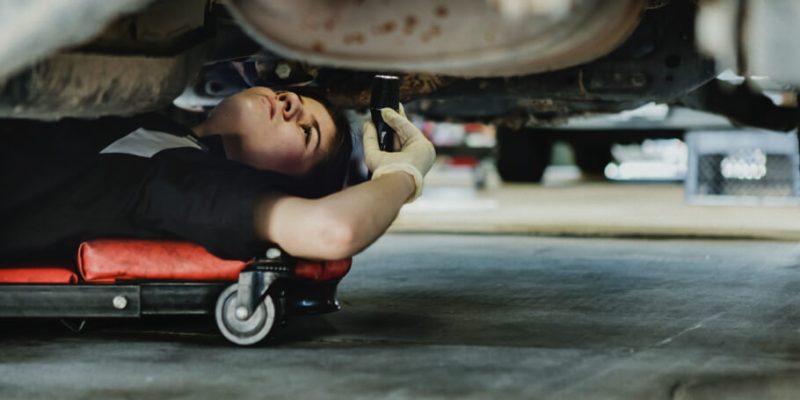
A delayed shift, occasional slipping, unusual noise, or small fluid leak may seem insignificant today. But these symptoms can indicate developing problems that deserve attention before winter driving adds more stress to your vehicle.
Cold temperatures can also make existing fluid, mechanical, and electronic performance problems more noticeable.
At GP Automotive, transmission service and repair are among our specialties. We believe early diagnosis can help you understand your options before a problem becomes more extensive.
Before winter arrives, consider having your transmission inspected if you notice:
Hard, delayed, or inconsistent shifting.
Slipping or hesitation during acceleration.
Unusual humming, whining, or grinding noises.
Fluid leaking underneath your vehicle.
Vibration or shuddering while driving.
A transmission warning light or check engine light.
These symptoms don’t automatically mean your transmission needs to be replaced.
In some cases, service or a targeted repair may address the problem. In others, more extensive work may be necessary.
The important thing is knowing what you’re dealing with before winter arrives.
Four-wheel drive and drivetrain maintenance
For Illinois farmers, contractors, and truck owners, four-wheel drive can be particularly useful during winter.
But what happens when you need it, and it doesn’t work?
Your vehicle’s transfer case, front and rear differentials, driveshafts, and related drivetrain components all play important roles in delivering power.
AAA recommends having four-wheel-drive and all-wheel-drive systems diagnosed when problems appear, rather than waiting until those systems are needed in winter conditions.
If you’ve noticed unusual drivetrain noises, fluid leaks, vibration, or difficulty engaging four-wheel drive, fall is the time to investigate.
At GP Automotive, we’re Central Illinois transmission specialists. Our goal is to service before replacement whenever the vehicle’s condition allows it.
We believe accurate diagnostics and preventative maintenance are important steps toward protecting your vehicle and your investment.
3. Brakes and Suspension: Winter Is No Time to Ignore Warning Signs
Picture yourself approaching an intersection on a snowy Illinois morning.
- The light turns red.
- You press the brake pedal.
- Your vehicle doesn’t respond quite the way you expected.
Winter conditions can make stopping and vehicle control considerably more difficult. That’s why a properly functioning braking and suspension system is especially important before the roads become slippery.
NHTSA advises drivers to slow down and increase following distances because vehicles are harder to control and stop on slick or snow-covered roads.
Warning signs your brakes may need attention
Squealing or grinding during braking.
Vibration when pressing the brake pedal.
A soft or spongy brake pedal.
Pulling to one side during braking.
An illuminated brake warning light.
Unusual noises after releasing the brakes.
Don’t assume that a noise will simply disappear.
An inspection may reveal worn brake pads, damaged rotors, deteriorating brake lines, or other components requiring service.
Don’t overlook your suspension
Your suspension system plays an important role in how your vehicle handles, responds to steering, and maintains stability over uneven road surfaces.
Worn shocks, struts, ball joints, or steering components can contribute to poor handling, unusual noises, and reduced control.
Illinois potholes don’t take the winter off, either.
Freezing temperatures and repeated thawing can contribute to damaged pavement. A suspension issue that seems minor on a smooth summer highway may become much more noticeable on rough winter roads.
If your vehicle feels unstable, bounces excessively, pulls to one side, or makes clunking noises when traveling over bumps, consider having it inspected.
At GP Automotive, we offer brake, steering, and suspension service and repair to help keep your vehicle operating as intended.
The goal isn’t just to help your vehicle stop. It’s to help ensure its braking and handling systems are functioning properly before driving conditions become more demanding.
4. Engine Oil, Coolant, and Other Fluids: Winter Protection Starts Under the Hood
Your vehicle depends on several different fluids to operate reliably.
During freezing temperatures, the condition and correct specification of those fluids become especially important.
Engine coolant and antifreeze
Despite its name, your cooling system isn’t just responsible for preventing overheating.
Proper coolant also protects your engine against freezing and helps prevent corrosion within the cooling system.
An inadequate coolant mixture, an unnoticed leak, or a deteriorating radiator hose could leave you facing serious problems when temperatures drop.
According to NHTSA, motorists should verify that their coolant meets the vehicle manufacturer’s specifications, inspect for leaks, and replace coolant when necessary.
During a fall maintenance appointment, consider having the following checked:
Coolant level and freeze protection.
Radiator and cooling system condition.
Hoses and connections.
Signs of coolant leakage.
Engine operating temperature.
A cooling system failure in July may leave you overheated on the side of the road.
A cooling system failure in January could leave you stranded in dangerously cold weather.
Neither is an experience anyone wants.
Engine oil
Cold weather also makes your engine’s lubrication system especially important.
Engine oil must circulate effectively during startup and protect internal components as the engine warms.
Using the correct manufacturer-recommended oil specification is important, particularly when operating in freezing temperatures.
If you’re approaching your next scheduled oil change, don’t put it off simply because your vehicle seems to be running well.
Fall is an excellent time to review your maintenance schedule and address overdue service.
Transmission and differential fluids
Your transmission, transfer case, and differentials may also require fluid service according to your vehicle manufacturer’s maintenance schedule.
These fluids help lubricate and protect internal components.
Fluid condition, leaks, operating symptoms, and service history should all be considered when determining whether maintenance is appropriate.
Your vehicle’s specific requirements matter. Not every transmission or drivetrain component uses the same fluid or follows the same service interval.
At GP Automotive, we believe maintenance recommendations should be based on the vehicle, its condition, and the manufacturer’s specifications—not a one-size-fits-all approach.
5. Heating, Defrosting, and Electrical Systems: Comfort Can Become a Safety Issue
It’s easy to take your vehicle’s heater for granted.
Until it stops working.
A properly functioning heating and defrosting system becomes particularly important during Illinois winters.
Your defroster helps remove moisture and frost from the windows, giving you the visibility you need to drive.
If your heating system is barely producing warm air, your windows constantly fog, or your defroster takes an unusually long time to work, now is the time to investigate.
NHTSA recommends checking both front and rear defrosters before winter weather arrives.
Potential concerns include:
Poor cabin heat.
Weak airflow from vents.
Persistent windshield fogging.
Electrical problems with the blower motor.
Improper engine operating temperature.
Coolant leaks or an unpleasant coolant smell inside the vehicle.
Heating and defrosting problems may be connected to the cooling system, HVAC components, or electrical system, depending on the vehicle.
Accurate diagnostics are the first step toward identifying the actual cause.
A comfortable cabin is nice. Being able to see clearly and stay warm during an Illinois winter is considerably more important.
6. Windshield Wipers and Lighting: Don’t Let Winter Catch You Blind
Imagine driving behind a semi on Interstate 57.
Snow is falling, salty slush is spraying across your windshield, and the sun is beginning to set.
You activate your windshield washers.
Nothing.
Then your worn wiper blades smear the remaining grime across the glass.
Not exactly the winter adventure you had planned.
Visibility becomes especially important during snow, freezing rain, and winter road spray.
Before cold weather arrives, inspect your windshield wipers, headlights, brake lights, turn signals, and defrosters.
NHTSA recommends filling your windshield washer reservoir with winter-rated fluid containing de-icer and replacing worn wiper blades.
Your fall visibility checklist
Make sure your vehicle has properly functioning:
Headlights and high beams.
Brake lights.
Turn signals.
Emergency flashers.
Front and rear windshield wipers, where equipped.
Windshield washer system.
Front and rear defrosters.
Don’t forget to clean cloudy headlight lenses when necessary.
And remember to remove snow and ice from your vehicle before driving.
The Illinois Department of Transportation reminds drivers that snow and ice left on a vehicle can obstruct visibility, fly off, and endanger other motorists.
7. Road Salt: A Hidden Winter Threat to Your Vehicle
Illinois relies heavily on road treatments to help keep highways and streets passable during the winter.
Road salt can improve winter travel conditions, but it can also create long-term problems for your vehicle.
Salt and salty slush accumulate underneath vehicles, exposing metal components to corrosive conditions.
According to AAA, winter road salt can accelerate corrosion affecting vehicle undercarriages, brake lines, suspension components, and structural parts.
That means the damage isn’t always cosmetic.
Corrosion affecting a brake line or structural component can become a serious mechanical and safety concern.
How can you help protect your vehicle?
Before winter, consider thoroughly washing your vehicle and addressing exposed paint damage.
Throughout winter, periodically wash accumulated salt and grime from the vehicle’s exterior and undercarriage when conditions make it practical.
AAA recommends prioritizing undercarriage washing and applying protective wax to painted surfaces before winter.
A little preventative attention may help reduce the long-term damage associated with winter road treatments.
If your vehicle already has substantial underbody corrosion, consider having vulnerable mechanical components inspected before winter arrives.
8. Winter Driving in Illinois: The Danger Isn’t Always What You Can See
Snow-covered roads are an obvious warning that travel conditions may be dangerous.
Black ice is different.
It can develop when rain or melted snow refreezes, creating a thin, nearly transparent layer of ice on pavement.
The National Weather Service warns that black ice can be particularly difficult to see and may develop during the early morning hours after overnight freezing.
For Central Illinois drivers, that means extra caution is necessary during early morning commutes, particularly around bridges, rural intersections, shaded roadways, and areas where melting snow may have refrozen.
Before traveling during winter weather
The Illinois Department of Transportation recommends checking current road conditions before leaving, allowing additional travel time, and avoiding unnecessary travel during severe weather.
Drivers should also watch for snowplows, reduce speed, avoid cruise control on icy roads, and maintain additional following distance.
For updated road conditions, visit IDOT’s Winter Road Conditions .
The National Weather Service also maintains a Central Illinois Winter Weather Monitor with weather forecasts and travel resources.
Even the most thoroughly maintained vehicle cannot eliminate the dangers of winter driving.
Sometimes, the safest decision is simply to postpone a trip until conditions improve.
9. Prepare for the Unexpected: Build Your Winter Emergency Kit
Even a well-maintained vehicle can become stranded in extreme winter conditions.
A collision ahead of you could close an interstate. Blowing snow could reduce visibility. An unexpected mechanical problem could leave you waiting for assistance.
That’s why every Illinois driver should consider carrying a winter emergency kit.
NHTSA and the National Weather Service recommend keeping emergency supplies in your vehicle before winter travel.
Consider keeping the following items in your vehicle:
Warm blankets and extra clothing.
Flashlight and spare batteries.
Jumper cables.
Cell phone charger and portable power bank.
First-aid kit.
Nonperishable food and bottled water.
Ice scraper and small snow shovel.
Emergency warning markers.
Necessary prescription medications.
If you become stranded during a winter storm, call for assistance and remain with your vehicle when safe.
Never run an engine inside an enclosed space. If operating your engine periodically for warmth while stranded in snow, ensure the exhaust pipe remains clear to reduce the risk of carbon monoxide poisoning.
Preparedness doesn’t mean expecting something to go wrong. It means being ready if something does.